Adult Social Care Reform: What Could It Mean for Families Exploring Care?
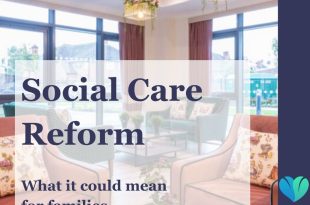
Recent news about social care reform has raised important questions for families...
Learn more
1 February 2026
Most families only choose a care home once or twice in their lives. That can make the decision feel overwhelming. You might know what looks good on paper, a pleasant building, clean rooms, friendly team, a full activities calendar, but it is harder to know what good care actually feels like when you walk through the door.
When choosing a good care home, families should look beyond the physical building and evaluate person-centred care culture. Key indicators include a focus on protecting resident independence, a flexible and meaningful activities framework that honours life stories, strong links to the local community, and a heavily supported, stable team of care colleagues
A good care home is not just somewhere safe. It should be somewhere a person can still feel like themselves. That means having choices, familiar routines, meaningful things to do, and people around them who take the time to understand who they are beyond their care needs.
If you are starting to compare care homes, these are the signs worth looking for.
One of the biggest misconceptions about moving into a care home is that it means giving up independence. In a good home, the opposite should be true.
The right support should remove barriers, not take control away. For older adults who find living at home independently more difficult, our tailored residential care support might mean helping someone dress in a way that still reflects their style, supporting them to make their own cup of tea safely, or giving them the confidence to join an activity they might otherwise avoid. This level of autonomy is central to the vibrant independent care home lifestyle we cultivate daily.
At Tanglewood, this philosophy is hardcoded into our U.N.I.Q.U.E. values framework. For example, across our communities like Cloverleaf in Lincoln, independence isn’t a buzzword, it’s handled via our tailored care mapping. this way residents retain routines like choosing their own wake-up times or continuing to safely pour their morning tea
Independence looks different for every person. For one resident, it may mean choosing when to get up in the morning. For another, it may be continuing to tend plants in the garden, fold their own laundry, read the newspaper after breakfast, or decide who they spend time with.
When visiting a care home, ask:
Also pay attention to what you see. Are the care team doing everything for residents, or are they gently encouraging them to stay involved? Small moments can tell you a lot.
An activities timetable can look impressive, but the real question is whether people are genuinely engaged.
Activities are not there simply to fill time. They should create purpose, enjoyment, and connection. A resident who has always loved gardening may light up when they are back outdoors. Someone who spent years baking for their family might enjoy helping prepare cakes for an afternoon gathering. A former teacher may enjoy reading with children during an intergenerational visit. We regularly share real stories of these unique lifestyle moments and resident highlights across our elderly care community news.
A great example of this in action is our annual Tanglewood Olympics. This initiative across our care homes isn’t just about keeping people busy; it is a carefully coordinated lifestyle program designed by our wellbeing coordinators to boost physical mobility and social interaction. In 2024, our Meadows Park home in Louth won the top award specifically for creating inclusive, low-impact games that allowed even quieter residents to participate and feel celebrated.
The activity itself matters less than the meaning behind it.
When visiting, look beyond the noticeboard. Ask yourself:
A strong activities programme should feel flexible. Not everyone wants bingo, crafts, or group singing. A good care home understands that.
Loneliness is one of the biggest risks in later life, and it does not always disappear simply because someone lives around other people.
That is why atmosphere matters. When you visit, notice what happens between the scheduled activities. Are people chatting in communal spaces? Do the care team stop for proper conversations? Do family members seem relaxed when they arrive? Is there laughter? Movement? Familiarity?
To eliminate the ‘isolation gap’ that many families worry about, Tanglewood homes utilize the LifeLibrary app. This allows our team members to securely share digital snapshots of daily joys, milestones, and activities directly with relatives. Whether a resident is enjoying live entertainment at Sleaford Hall or a walk in the gardens at Toray Pines, families remain seamlessly connected to the daily rhythm of the home.
The best care homes feel connected to the wider world, not closed off from it. That might include local school visits, community groups, family events, volunteers, entertainers, trips out, or simple everyday moments where residents are encouraged to stay socially involved.
Look for signs such as:
A care home should feel welcoming, not institutional. Families should feel part of the community too.
A resident is never just a list of care needs.
They may be a retired nurse, a former engineer, a keen gardener, a devoted parent, a lifelong football supporter, or the person who organised every family Christmas for forty years. Those details matter because they shape what makes someone feel safe, settled, and understood.
This is especially important for people living with dementia. Familiar music, routines, photographs, hobbies, scents, and conversations can all help someone feel more connected to themselves and the people around them. This intensely personalised focus forms the heart of our dignity-led, specialist dementia care homes.
This deep commitment to an individual’s life story is why Tanglewood communities like Holbeach Meadows and Humberston House have achieved ‘Outstanding’ ratings from the Care Quality Commission (CQC). Inspectors explicitly praised our teams for treating residents as individuals with rich histories, rather than a list of daily medical tasks.
When speaking with care team members, ask:
Look for comprehensive training, familiar sensory environments, and active groups like our regular supportive memory cafés that bring families together. The best care teams do not just ask what support someone needs. They ask who that person is.
A strong sense of community can make a significant difference to a resident’s quality of life. While excellent care is essential, opportunities to build friendships, stay connected with family, and engage with the wider community can help residents feel more settled and supported.
Many families specifically look for care homes that encourage social interaction through events, local partnerships, intergenerational activities, and family involvement. These connections can help reduce feelings of loneliness, support emotional wellbeing, and create a more enjoyable daily experience for residents.
When visiting a care home, it is worth asking how the home encourages residents to stay connected with others and whether families are actively involved in community life.
Before choosing a care home, it can help to go prepared. These questions can reveal more than a brochure ever will.
Listen for practical examples, not just general promises about choice and dignity.
Ask how activities are planned, how often they change, and whether residents help shape the programme.
Good communication with families is often a sign of a strong care culture.
Look for personalised care, team training, familiar routines, and meaningful engagement.
Ask how the home supports friendships, visitors, community links, and one-to-one companionship.
This can show whether the home is genuinely committed to person-centred care.
When choosing a care home, it is natural to focus on location, facilities, fees, and care services. Those things matter. But they are not the whole picture.
A good care home should help someone keep hold of the parts of life that matter most to them: their routines, relationships, interests, preferences, and sense of identity.
At Tanglewood Care Homes, we believe exceptional care is about more than meeting physical needs. It is about creating warm, welcoming communities where residents feel valued, supported, and able to continue living with purpose.
If you are considering care for yourself or someone close to you, our team would be happy to talk through your needs and show you what life at Tanglewood is really like.
A high-quality care home goes beyond providing safe accommodation and personal care. Families should look for evidence of person-centred care, meaningful daily activities, strong communication with relatives, well-trained care teams, and a welcoming atmosphere where residents are encouraged to maintain their independence. Positive inspection ratings, strong relationships between residents and staff, and an active community life are also good indicators of quality.
A care home with a strong community focus can help residents maintain social connections, build friendships, and continue engaging with the wider world. Community events, family involvement, local partnerships, intergenerational activities, and volunteer visits can all contribute to improved wellbeing and a greater sense of belonging. For many residents, feeling part of a community is just as important as receiving high-quality care.
Visiting a care home in person is one of the best ways to assess a care home’s quality. Families should observe how staff interact with residents, ask about activities and care planning, review inspection reports, and speak with the team about how they support independence and individual preferences. Looking at reviews and feedback from residents and relatives can also help.
Ultimately, the signs of a high-quality care home are often found in the everyday details: residents maintaining their independence, meaningful relationships with staff and fellow residents, opportunities to stay active and engaged, and a genuine sense of community. Taking the time to look beyond facilities and ask the right questions can help families find a home where their loved one can truly thrive.
If you are currently looking for a supportive environment that truly values your loved one’s independence, we warmly invite you to visit a Tanglewood community.
12 October 2026
Recent news about social care reform has raised important questions for families...
Learn more
12 October 2026
A shopping trip to remember for resident Judith When we ask residents...
Learn more
5 October 2026
Care homes are an important part of later-life support. They help older...
Learn more