Chinese New Year Celebrated at Toray Pines Care Home
Care home residents at Toray Pines in Coningsby celebrated the year of...
Learn more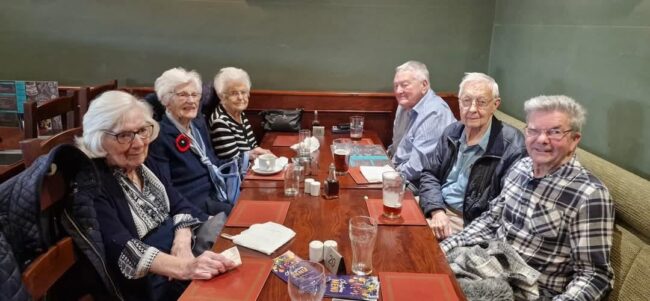
27 January 2026
In the UK, loneliness is far from rare. According to Age UK, nearly 1 in 14 people aged 65 and over say they feel lonely often, representing around 940,000 older adults nationwide. Loneliness is not a personal failing. It doesn’t disappear through willpower alone. It grows from a mix of environment, routine, access to others, and how easily social contact fits into a persons everyday life.
People talk about loneliness in later life often, but they explain it less often. Families hear “check in more.” Older people hear “stay busy.” Many people point to technology as the fix. Yet research shows that different approaches help in different ways.
At Tanglewood care homes, we focus on structured social environments, where connection forms naturally through shared meals, regular activities, and predictable routines. These settings remove the need for residents to initiate contact or “stay busy” on their own. Instead, social interaction becomes part of daily life, not an added task.
This approach is intentional. We design our homes around routine, visibility, and shared experience. Our industry awards and finalist nominations for care teams and activity staff further reflect the strength of the people delivering this day-to-day support at our homes.
We do not rely on good intentions alone. We apply a care model that has been inspected, recognised, and tested in practice, one that prioritises dignity, independence, and consistent human connection every day.
At Tanglewood Care Homes, we recognise that loneliness in later life rarely improves through occasional contact alone. A phone call or short visit can help at the moment, but it does not change the daily experience of being alone. That is why our approach to elderly care looks beyond quick fixes. In this article, we examine the approaches families commonly rely on, alongside what UK guidance and evidence suggest about how loneliness works in everyday life.
Befriending services for elderly people, including telephone friendship lines and volunteer callers, can help older adults who live alone. Research in applied gerontology, which is the scientific study of old age, the process of ageing, and the particular problems of old people. The study found that regular phone-based befriending can reduce emotional loneliness in the short term, particularly for people living alone. Many older adults value someone who listens, remembers their story, and checks in consistently.
Phone calls often happen weekly or less. They may stop if a service loses capacity. They can ease loneliness, but they may not reduce social isolation. Social isolation means a person has limited meaningful contact with others. But, without shared routines or shared experiences, connection can still feel fragile. As, befriending helps elderly individuals the most when it supports a wider, socially active life.
Technology often appears in conversations about how to combat loneliness in seniors. Video calls, photo sharing, and messaging help families stay close. They help most when travel feels difficult.
Technology can support emotional connections. Elderly people can see familiar faces, share photos, and send messages. These small moments can comfort and reassure. But, technology works best when it sits alongside real-world interaction. Without encouragement or structure, digital connection can become passive. It can also feel one-way. Digital-only approaches show smaller and less sustained reductions in loneliness than in-person or mixed social environments. Connection thrives most when people feel it, share it, and live it. A screen can support that. But it rarely replaces it.
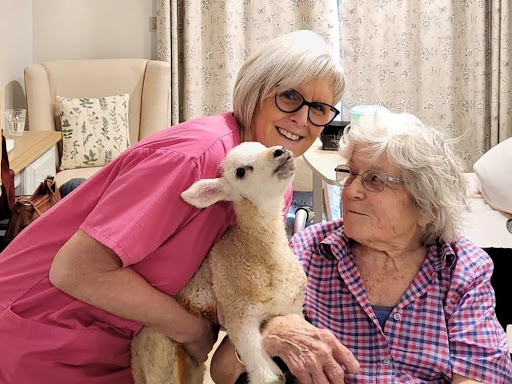
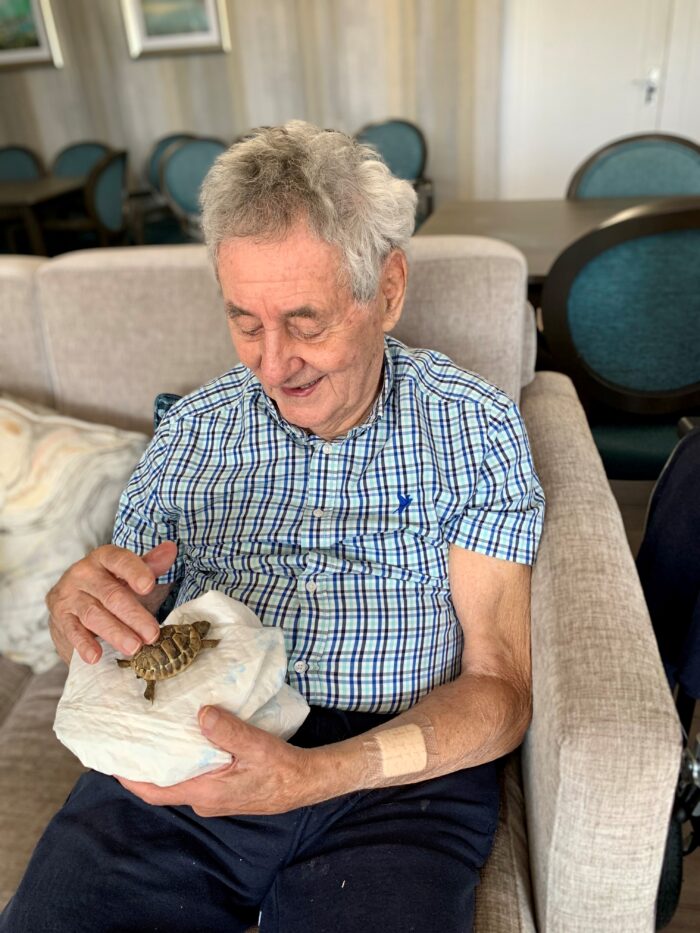
Pets can reduce loneliness for some older adults. Animals can offer comfort, routine, and companionship, especially after bereavement. Pets bring warmth and a reason to get up and move. For some elderly people, they make quieter days feel less empty. Research links pet companionship to improved mood and routine, but other humanities studies carried out across 24 countries found that human interaction is still essential for reducing social isolation and cognitive decline in later life.
As we’ve touched on, pets cannot offer human conversation, laughter, or shared memories. The practicalities of having a pet may not be a viable option. There’s the health of the animal, complex housing rules, and the cost which need to be factored in and can make pet ownership difficult. Animals can support wellbeing, but it may not be an option for everyone, and people still need people.
Large-scale public health research now shows that persistent loneliness increases the risk of early death by between 14% and 30%, a level comparable to well-known risks such as smoking or obesity. With a 2010 study’s famous conclusion that loneliness is as damaging to our health as smoking 15 cigarettes a day. Across research and real-world experience, one point stands out: loneliness reduces most when social contact feels frequent, meaningful, and effortless.
Structured daily social environments create rhythm. They make connection a given part of the day. People share meals, routines, and small conversations. They do not need to plan each interaction. This is where socially focused care homes can make a lasting difference, because loneliness also affects brain health. Nature Mental Health’s 2025 study following more than 600,000 people found that loneliness alone increased dementia risk by 31%, even after accounting for physical health and lifestyle factors.
To reminiscence builds connection because it honours a person’s life. It also invites others into that story. At Bingley Park in Bradford, residents marked National Photography Day with a curated display of iconic photographs. The images sparked stories. Residents shared reflections, laughed together, and recognised moments from their past. 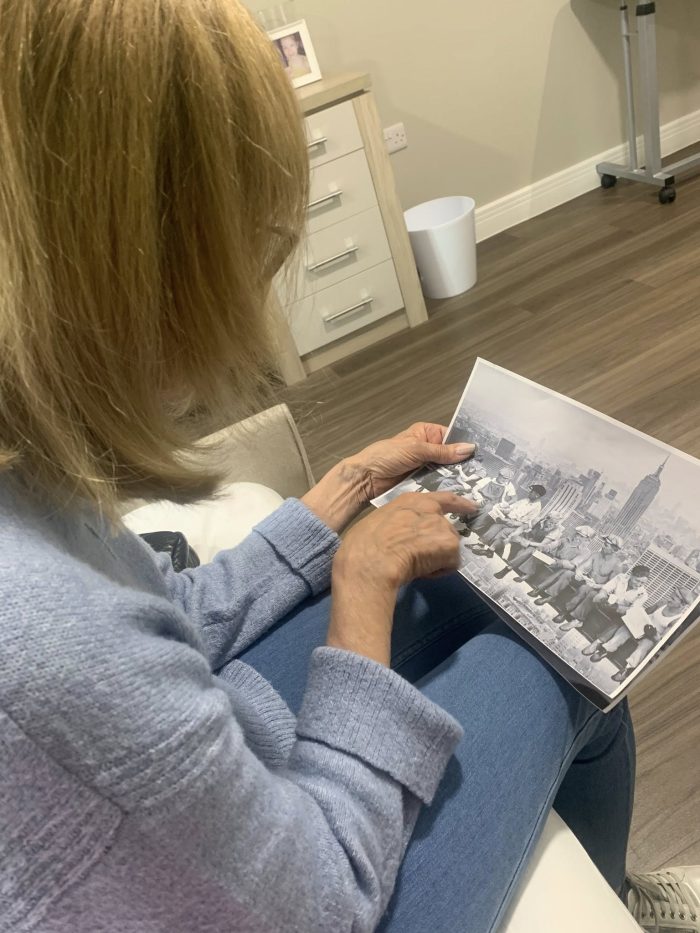
The room filled with conversation and warmth. The activity offered more than nostalgia. It helped residents feel seen and valued through their history. It also strengthened bonds across the home’s extended family.
Dementia charities, like Alzheimer’s Research UK, note that activities involving conversation, memory recall, and shared attention help strengthen cognitive reserve, help to support thinking skills over time.
Intergenerational time brings a special kind of joy. It reminds residents that life stays full of energy, curiosity, and laughter. At Holbeach Meadows care home, the home hosts monthly meetups with local childminders and their “tiny tots.” These gentle playdates include singing, crafts, and sensory play. A similar initiative to help combat isolated seniors is at Humberston House. The home welcomed the Melody Baby Group in 2025. These visits help build stronger community ties. They also bring shared joy across generations. These moments do not feel formal. They feel like life.
Loneliness often grows when people lose a sense of purpose. Age UK reports that 2.1 million older people say they take less care of themselves when they feel lonely. Feeling useful and involved matters at every age.
An example of this at our care homes is Holbeach Meadows, where residents can take part in familiar daily tasks. They might pair socks, fold towels, or help lay tables for meals. Residents choose their pace. They choose what feels right. This approach protects autonomy. It also supports identity. Small tasks can help residents feel like active members of a caring community, rather than passive recipients of care.
Older people often feel better when they stay connected to the wider world. The best care homes will support that connection.
At York Manor care home, residents enjoy outings to local landmarks like York Minster and The Shambles. They also take fresh air walks at Rawcliffe Lake. Community events like the Great British Picnic invite neighbours into the home. These moments help senior living feel like the start of a vibrant new chapter.
At Beeston Rise care home, residents, staff, and family members recently hand-crafted Christmas decorations together. Families did not just visit. They joined in. These shared moments widened the circle of support and strengthened the home’s sense of extended family.
At Tanglewood Care Homes, teams weave social connection into daily life. Residents live in comfortable, relaxed, homely surroundings. They find opportunities for friendship without pressure. Shared meals, familiar routines, meaningful activities, and welcoming spaces help connection happen naturally. Residents keep autonomy over how they spend their time. They also know others are nearby.
No single approach suits everyone. Befriending services, technology, and pets all have their place. Evidence increasingly points to a wider truth: loneliness reduces most when social connection is part of daily life.
Families often ask, “Is my loved one safe?”. Our care services promise to ensure the answer is yes, but also to make sure they feel connected, valued and completely at home.
Learn how structured social living supports older adults at Tanglewood Care Homes. Our teams are happy to talk, listen, and help you explore whether this approach feels right for your family. Speak to our team, arrange a care home viewing or get a brochure.
10 March 2026
Care home residents at Toray Pines in Coningsby celebrated the year of...
Learn more
10 March 2026
This International Women’s Day, Tanglewood Care Homes celebrates the women who helped...
Learn more
4 March 2026
When searching for an award winning care home in your area, you're...
Learn more