Chinese New Year Celebrated at Toray Pines Care Home
Care home residents at Toray Pines in Coningsby celebrated the year of...
Learn more20 January 2026
At Tanglewood Care Homes, we provide high-quality care in comfortable, relaxed, homely surroundings. We believe life doesn’t stop when someone moves into a care home. It starts a new chapter, one with support, structure, and community.
Yet, we also recognise that loneliness affects many older people across the UK. According to Age UK, nearly 1 in 14 people aged 65 and over report feeling lonely often. That’s around 940,000 older adults nationwide. That context matters, because loneliness is not rare, and it is not a personal failing.
Clinical care matters. Social health matters too. When people feel connected, seen, and valued, they cope better, engage more, and often feel better day to day. Social connection supports overall wellbeing in the same way good nutrition, mobility, and medication management do.
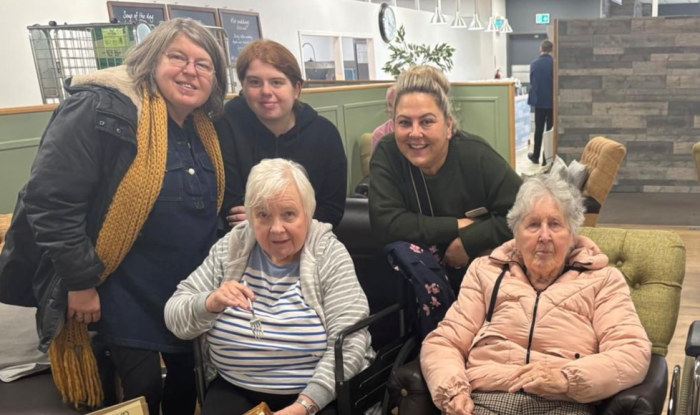
Many senior adults want to “age in place.” But living alone can also lead to quiet isolation. Someone can manage their medication perfectly and still struggle without routine, motivation, and human contact. Recent large-scale research funded by the National Institute on Aging (NIA) involving over 600,000 participants found that feeling lonely increases the risk of dementia by 31%. At Tanglewood, we often welcome new residents to our care homes who are physically stable but feeling emotionally worn down by living alone.
That’s why we treat social health as part of care, not an add-on. Our care home teams across the UK help to build warm, friendly environments where residents spend time together, form relationships, and feel part of an extended family of residents, relatives, and friends.
When families look at care options, they often focus on physical safety. They worry about falls, medication, and mobility. These concerns matter. But research now shows that social health plays a role in long-term brain health. Understanding how isolation affects the brain helps families act early, rather than waiting for a crisis.
Loneliness and social isolation are not the same thing.
According to the Alzheimer’s Society, social isolation means a lack of regular social contact. This lack of contact can raise a senior person’s risk of developing dementia by around 60%.
Someone may say they feel “fine” living alone. That does not mean their brain is getting enough stimulation. Without daily conversation and interaction, memory and thinking skills can decline over time.
Large-scale research continues to strengthen this link. A 2025 study published in Nature Mental Health followed more than 600,000 people. The researchers found that loneliness increases dementia risk on its own, even when other factors are considered.
Persistent loneliness was linked to:
These effects were similar in size to well-known risks such as physical inactivity or smoking.
Regular social interaction helps build what researchers call cognitive reserve. Cognitive reserve allows the brain to cope better with age-related changes and disease.
The Alzheimer’s Society explains that consistent social contact strengthens the brain’s resilience. In simple terms, the brain stays healthier when it is used.
Conversation is not passive. It demands effort from the brain. When a resident takes part in a group activity or a discussion, their brain must:
Activities such as group singing, shared meals, or intergenerational sessions give the brain repeated practice. This daily mental exercise supports memory, attention, and language skills in older adults.
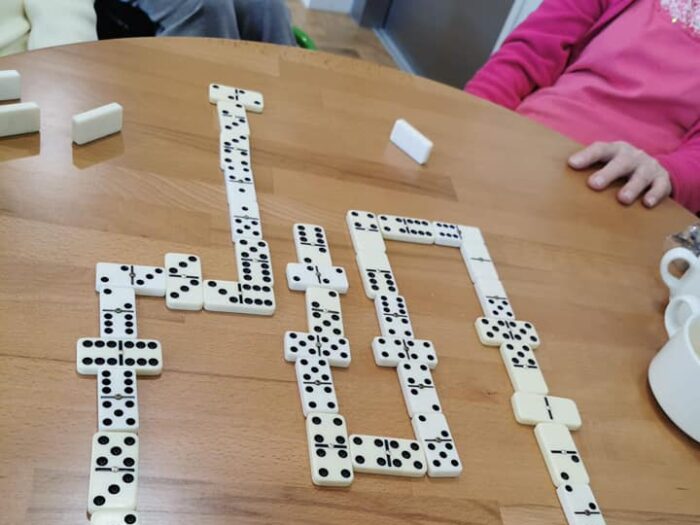
Moving from a quiet home to a socially active environment of a luxury care home increases daily brain stimulation. Regular interaction becomes part of normal life for an older person, not something that requires effort or planning.
We use practical, evidence-informed approaches that make social connection part of everyday life.
Intergenerational Activities That Improve Emotional Wellbeing
Our intergenerational projects bring fresh energy into the home. At Holbeach Meadows, we welcome local childminders and their “tiny tots” for monthly meetups. These sessions do more than entertain. They lift mood, spark conversation, and help residents feel involved and valued.
When residents who usually keep to themselves join in, smiling, laughing, and chatting, you see what shared joy can do.
Purpose supports confidence. We help residents maintain independence by encouraging everyday life skills, especially in our dementia communities. At our care homes, themed life-skills areas let residents do familiar tasks, such as:
These small actions can make a big difference. They help residents feel useful, capable, and settled into a daily rhythm.
At Tanglewood care homes, we build community on purpose. Each of our 22 care homes follows clear standards that support a lively, welcoming culture. Residents can choose from a wide range of social opportunities, including:

Strong social health doesn’t happen by accident. It needs leadership, training, and consistency. At Holbeach Meadows, Home Manager Gemma Woodcock leads with clinical expertise and a resident-first approach. She holds a First Class Honours Degree in Tissue Viability Nursing and has experience as a Mental Health First Aider.
Moving into a care home is a big step. It can also be a protective, loving choice, one that brings daily support and real companionship. It can also ease pressure on families, so loved ones can focus on their relationship rather than the demands of care.
If you’d like to see how Tanglewood care homes support social and physical wellbeing, you can speak to a care home manager, find your closest care home or download a brochure. Our specialist care team will support you at every step.
10 March 2026
Care home residents at Toray Pines in Coningsby celebrated the year of...
Learn more
10 March 2026
This International Women’s Day, Tanglewood Care Homes celebrates the women who helped...
Learn more
4 March 2026
When searching for an award winning care home in your area, you're...
Learn more