How Do Tanglewood Care Homes Keep Residents Part of the Local Community?
Every family’s situation is different, and so is what “community” means to...
Learn more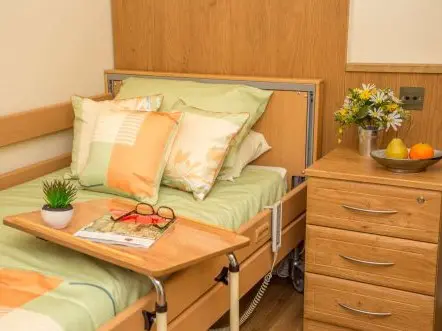
21 October 2026
When someone you love prepares to leave hospital, it is natural to feel relieved and uncertain at the same time. They may no longer need hospital care but still need help to wash, dress, prepare meals, take medication or get around. But, you may also wonder whether a return home is practical, what support is available and how much it will cost.
A care home stay after a hospital discharge is a possible next step. It may provide temporary support while someone recovers, or longer-term care if their needs continue. This support does not automatically mean a permanent move into a care home.
This guide explains the main options, what to ask the hospital team and how to prepare for a care home stay after a hospital discharge in England.
Being ready for discharge means the clinical team has decided that someone no longer needs care in that hospital. It does not necessarily mean they have fully recovered or can manage everyday life without support.
For example, someone in recovery from an operation may still need assistance to get dressed or move safely around their home. After an illness, they may feel tired, less confident or unable to prepare meals.
A discharge plan should consider what support is needed next, where it can be provided and how it will be arranged. The person leaving the hospital should be involved, with family members and carers included as appropriate and in line with their wishes.
Ask the ward team who is coordinating the discharge. This will depend on the hospital and the person’s needs. It may involve a discharge coordinator, nurses, doctors, social workers, physiotherapists or occupational therapists.
Useful questions to ask:
The right setting depends on the person’s condition, preferences and circumstances. Most people return home, but some need support elsewhere.
Support after a hospital stay may come from family or friends, visiting carers, community healthcare services or a live-in care service. This support may be supplemented with specialist equipment or home adaptations. Home adaptations like ramps, grab rails, stair lifts, bath lifts and walk-in showers can make everyday life easier. Ask the hospital team whether an occupational therapy or physiotherapy assessment is needed to identify suitable equipment and arrange it before discharge. If the home adaptations are substantial, you may need temporary care while these are being set up.
Discuss practical needs, including getting to the bathroom, using stairs, preparing meals and managing overnight. Family members should explain what help they are willing and able to provide rather than agree to arrangements they cannot manage.
Intermediate care is temporary support aimed at helping someone recover and regain independence. It may involve rehabilitation, equipment and practising everyday activities. Reablement focuses particularly on rebuilding skills such as washing, dressing and preparing food.
These services can take place at home or in another setting, such as a community hospital or care home. Eligibility and the support offered depend on assessment.
A short stay may be suitable when someone needs more support than can currently be provided at home. It can give them help with everyday tasks while their condition and next steps are reviewed.
You may see this described as respite or convalescent care. Convalescent care means support during recovery from illness or an operation. Ask what is included: a temporary care home stay does not necessarily provide specialist rehabilitation.
At Tanglewood, respite care can support people who need a period of convalescence after a hospital stay. Depending on the home and the person’s assessed needs, short stays can include residential, dementia or nursing support. If your relative is preparing to leave hospital, our care home managers can discuss your situation and liaise with the hospital discharge team about an assessment and possible move. Find out more about respite care at Tanglewood.
Some people need ongoing residential, dementia or nursing care. Wherever possible, decisions about longer-term support should reflect your loved one’s condition after a period of recovery rather than assume that difficulties immediately after hospital will be permanent.
Need care after a hospital stay? Get in touch
Discharge to Assess, sometimes shortened to D2A, is an approach in which immediate support is arranged so a person can leave hospital safely, while more detailed assessment of longer-term needs takes place outside hospital.
You may also hear the phrase “home first”. This means to support a return to the person’s usual home wherever appropriate. Where a temporary placement elsewhere is needed, it is sometimes called step-down care.
Discharge to Assess does not mean to leave hospital without any consideration of immediate care needs. Ask where the assessment will happen, who will carry it out, when progress will be reviewed and who is paying for the support.
A care home admission after a hospital stay may be an option if someone needs regular support with:
It is not a one size fits all approach. Suitability depends on assessment. The care home must be able to meet the individual’s condition, including any clinical requirements.
Residential care homes generally provide accommodation and support with daily living. Nursing care homes also provide care from registered nurses. Some residential homes can arrange support from visiting community healthcare professionals, but this is different from having registered nurses on site.
If someone needs wound care, support with medical devices or other clinical care, ask the hospital team what provision is required and confirm with the proposed care home how they would deliver it.
No. A temporary stay can provide support during recovery without committing to permanent residential care.
Before admission, discuss with the care team the purpose of the stay and what progress would help the person return home. Goals might include being able to move around safely, manage personal care or rebuild confidence with everyday activities, guided by the care professionals involved.
Agree when conditions will be reviewed and who will help plan the next stage. A return home may require support from carers, equipment, adaptations or ongoing community healthcare.
If longer-term care is more appropriate, discuss the options, suitability, availability and fees. Do not assume that a temporary booking automatically becomes a permanent placement.
Start with caring for the person’s condition, then consider location, atmosphere and personal preferences.
Ask each home:
Look at the home’s current Care Quality Commission information and, where possible, visit or arrange a conversation with the manager. Share the person’s usual routines, communication needs, interests and preferences.
An individual’s care needs, the care home’s available rooms and funding all affect the choices available. If a proposed home seems unsuitable or you are unsure, explain your concerns to the discharge coordinator or social worker and ask about alternatives.
The person’s wishes should be central to discussions. A diagnosis of dementia does not automatically mean someone is unable to make decisions about their care.
However, if there is concern about their ability to make a particular decision, ask the team about a mental capacity assessment. Where they lack capacity for that decision, the appropriate best-interests process should be followed, involving relevant representatives. Ask whether independent advocacy is available if additional support is needed.
The details vary, but arranging a hospital-to-care-home move usually involves five stages:
At Tanglewood, we carry out a pre-admission assessment to understand the person’s care needs, preferences and usual routines. This helps us confirm whether the chosen home can provide suitable support and develop a personalised care plan. Where nursing care is required, the assessment also considers medical needs and any specialist equipment needed for the stay.
Need care after a hospital stay?
Contact a suitable home early, even if the discharge date is not yet definite. Our care team can usually carry out an assessment within 24hrs of your first call, often at the hospital. Admission timing depends on assessment, availability and the arrangements needed for safe care.
Before the person leaves hospital, check that you can answer these questions:
Funding depends on the type of support and the person’s circumstances. Ask for a clear explanation of who will pay, what is covered, when funding ends and what happens afterwards.
If someone is assessed as needing intermediate care, this support is free for the period they need it, usually up to a maximum of six weeks. It could finish sooner depending on their needs and progress.
This does not mean everyone who leaves the hospital receives six weeks of free care, or that a privately booked respite stay is automatically covered. If a funded placement is offered, confirm its specific terms with the team arranging it.
For longer-term care, the local council may carry out a care needs assessment and a financial assessment. These determine eligible conditions and whether the council will contribute towards the fees.
If a preferred home costs more than the council’s agreed funding, ask about top-up arrangement, who can pay it and the conditions involved.
Some people with a primary health condition may qualify for NHS Continuing Healthcare: a package of care arranged and funded by the NHS. Eligibility is assessed and is not based simply on age or a particular diagnosis. Ask the healthcare team whether assessment is appropriate.
People who need registered nursing care in a nursing home but do not qualify for NHS Continuing Healthcare may qualify for NHS-funded nursing care. NHS-funded Nursing Care (FNC) is a flat-rate weekly payment made by the NHS directly to a registered nursing home to help cover the cost of care provided by a registered nurse. This is a contribution towards nursing care, rather than payment of all care home fees. Ask how it is reflected in the home’s quotation and contract.
If arranging a stay privately, check the minimum stay, deposit, included services, additional charges, notice period and what happens if the discharge date changes or the stay needs extending. At Tanglewood, our weekly fee is based on the care required and the room chosen. It typically includes a furnished bedroom, personalised care, freshly prepared meals and snacks, laundry, housekeeping and social activities. Some optional services may cost extra. Our fees and pricing breakdown explains the usual inclusions and payment arrangements.
We do not charge administration or joining fees. For privately arranged respite stays, fees are requested in full before the stay. Confirm the payment terms and any room-reservation arrangements with the home manager before booking.
Agree with the hospital and home who is responsible for each arrangement. Useful information to hand over includes:
Confirm that a care home has the information and equipment needed before the transfer. Ask about available transport as hospital patient transport depends on eligibility. Ask whether your relative can continue seeing their usual GP. At Tanglewood, this may be possible if the chosen home is within the GP’s catchment area. If not, our care team are able to help arrange registration with a local practice. Share any dietary requirements, including prescribed texture-modified diets, during the assessment so the home can confirm suitable arrangements.
Pack comfortable clothes, toiletries, glasses, hearing aids and mobility aids, alongside a few familiar belongings. Ask the home about labelling clothing and what it already supplies.
The first few days are an opportunity for the team to get to know you or your loved one and understand how needs affect daily life.
If you have a chance, share what they could manage before hospital, what has changed and what matters to them now. This helps the team support independence at an appropriate pace rather than assume every task needs to be done for them.
Ask how the home will support the agreed care plan, access follow-up care and respond to changes. If therapy is needed, confirm who provides it, whether it is available and whether there are additional fees.
Familiar routines, contact with loved ones and suitable activities can help someone feel more comfortable. Agree who will receive updates, with the person’s consent or in line with the appropriate decision-making arrangements.
At all our Tanglewood care homes there are open visiting times so friends and family can visit whenever they like. We also encourage residents to personalise their rooms with photographs, keepsakes and favourite belongings. Our activities coordinators take time to understand each person’s interests and preferences, helping them find activities they enjoy. Read our frequently asked questions for more about visiting and everyday life.
For a temporary stay, begin to plan the next step early. Discuss progress, ongoing needs and what must be arranged before a return home or another move.
If you are worried about a hospital discharge, raise concerns with the ward team or discharge coordinator as soon as possible. Be specific about what is missing: essential equipment, an unclear medication plan, unsuitable accommodation or support that family members cannot provide.
Ask how the concern will be addressed and who is responsible. If you need help understanding the process or making a complaint, the hospital’s Patient Advice and Liaison Service (PALS) can advise. Independent advocacy may also be appropriate.
After discharge, follow the clinical advice provided and seek medical help if the person’s condition worsens. Ask before leaving hospital which symptoms require urgent help and whom to contact.
Tanglewood offers respite care for people who need a period of convalescence after hospital. Our care home managers can discuss your situation and liaise with the hospital discharge team about an assessment and possible move.
The right home will depend on the person’s assessed needs, the care available at that location and room availability. Contact your preferred Tanglewood home to discuss the expected discharge date, suitable care options and fees.

20 October 2026
Every family’s situation is different, and so is what “community” means to...
Learn more
12 October 2026
Recent news about social care reform has raised important questions for families...
Learn more
12 October 2026
A shopping trip to remember for resident Judith When we ask residents...
Learn more